
You want to post regularly on Instagram or TikTok, but you don't have time to film and you're not keen on spending hours in CapCut? AI now makes it possible to transform a simple idea into a short video ready to publish—no camera or technical skills required. This method shows you how to produce professional Reels and TikToks in 15 minutes flat, from script to final export. You'll discover the free tools that actually work, the exact workflow to keep publishing consistently, and the mistakes to avoid so your videos look natural. Whether you're a content creator, entrepreneur, or community manager, this approach saves you dozens of hours every month.
Why AI Changes Everything for Short-Form Video
AI removes the three major obstacles to creating Reels and TikToks: filming, editing, and consistency.
Before, making a short video required equipment (a recent smartphone, ring light, microphone), skills (framing, lighting, editing), and most importantly, time. A single video could take two hours between prep, filming, and editing.
Today, AI tools automatically generate:
- A complete script from a topic or keyword
- Illustration images or videos (free stock or AI-generated)
- Natural voice-over in French with proper intonation
- Subtitles synced perfectly
- Transitions and visual effects
Result: you go from idea to publishable video in 10 to 20 minutes. This speed completely changes the game for consistency. Publishing three Reels a week becomes realistic, even with a packed schedule.
According to a 2024 Hootsuite study, Instagram accounts that post at least 4 Reels per week gain 2.3 times more followers than those posting just one. AI lets you hit that frequency without blowing your time budget.
The Free Tools That Actually Work
Three tool categories are enough to produce Reels and TikToks with AI: script generation, video creation, and voice-over.
Script Generation
ChatGPT (free version) or Claude generate a 30- to 60-second script in seconds. Give a specific topic and ask for a „hook + 3 points + call-to-action" format. Example prompt: „Write a 45-second script for an Instagram Reel explaining how to choose a good mattress. Format: punchy hook, 3 concrete tips, call-to-action."
Automatic Video Creation
Runway Gen-3 (15 free credits per month) generates 5- to 10-second video clips from text. Perfect for transitions or illustration shots.
Pexels and Pixabay offer millions of free, royalty-free HD videos. Search in English to maximize results.
CapCut (free) remains the most popular editing tool for TikTok creators. It now includes AI features: automatic captioning, background removal, sound effects.
Natural Voice-Over
ElevenLabs (10,000 free characters per month) produces ultra-realistic French voices. Choose the „Antoine" or „Charlotte" voice for a natural sound.
Play.ht also offers a generous free plan with quality French voices.
If you want to go deeper with complete workflows and included AI credits for all these tools, Skilzy's AI UGC Videos program shows you how to produce 20 videos per month without extra subscriptions.
The Complete Workflow in 6 Steps
Here's the exact method to go from zero to a publishable video in under 20 minutes.
Step 1: Define Your Topic (2 minutes)
Choose a specific angle rather than a vague theme. Bad example: „Benefits of exercise." Good example: „3 five-minute exercises to relieve back pain at your desk." A specific topic generates a punchier script and attracts a qualified audience.
Step 2: Generate the Script (3 minutes)
Paste your topic into ChatGPT with this prompt:
„Write a 50-second script for an Instagram Reel about [your topic]. Structure: a hook that poses a concrete problem, 3 actionable tips with numbers or examples, a simple call-to-action. Direct and dynamic tone."
Reread the script and adjust if needed. Check that it's between 120 and 150 words (ideal duration of 45 to 60 seconds when spoken).
Step 3: Create the Voice-Over (2 minutes)
Go to ElevenLabs, paste your script, choose a natural French voice. Adjust speed to 1.1x for dynamic delivery. Download the MP3 file.
For detailed advice on choosing and optimizing French AI voices, check out our complete guide to AI voice-overs.
Step 4: Find Visuals (5 minutes)
Identify 3 to 5 key moments in your script. For each one, search for a video on Pexels (keywords in English). Download in 1080p. If you want to generate original shots, use Runway Gen-3 with short, descriptive prompts.
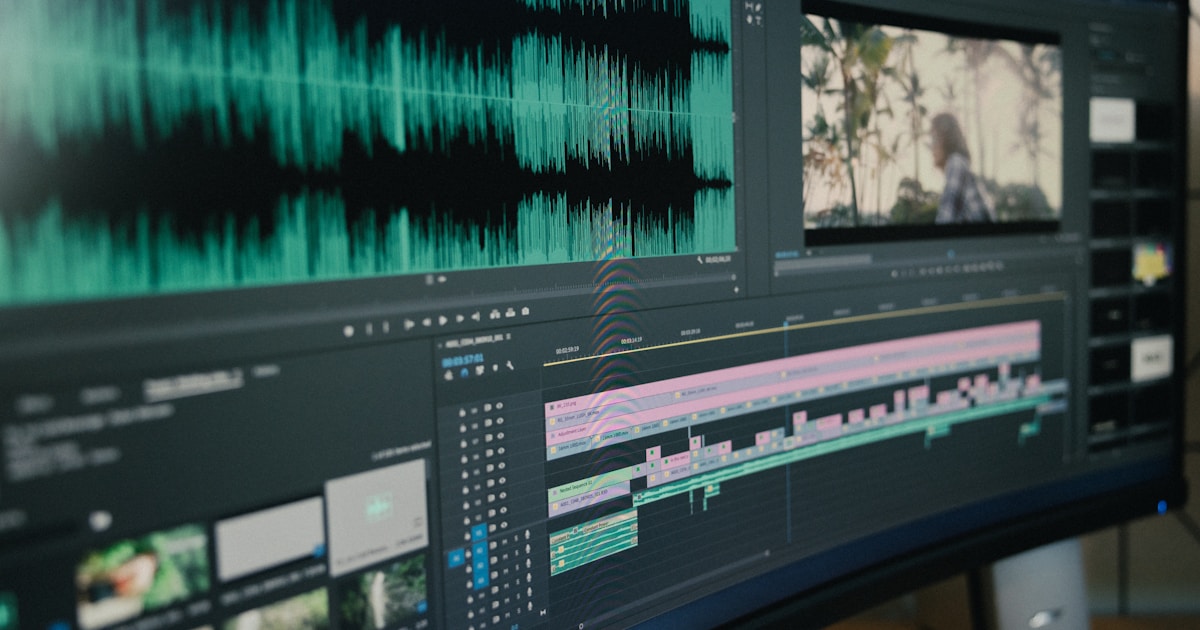
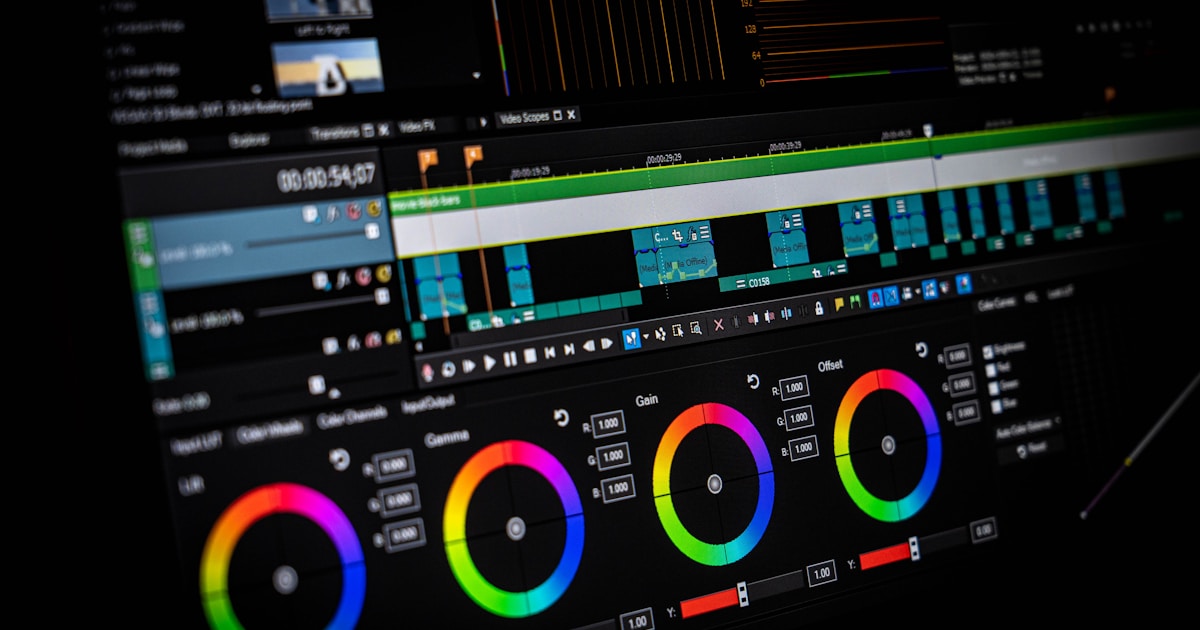
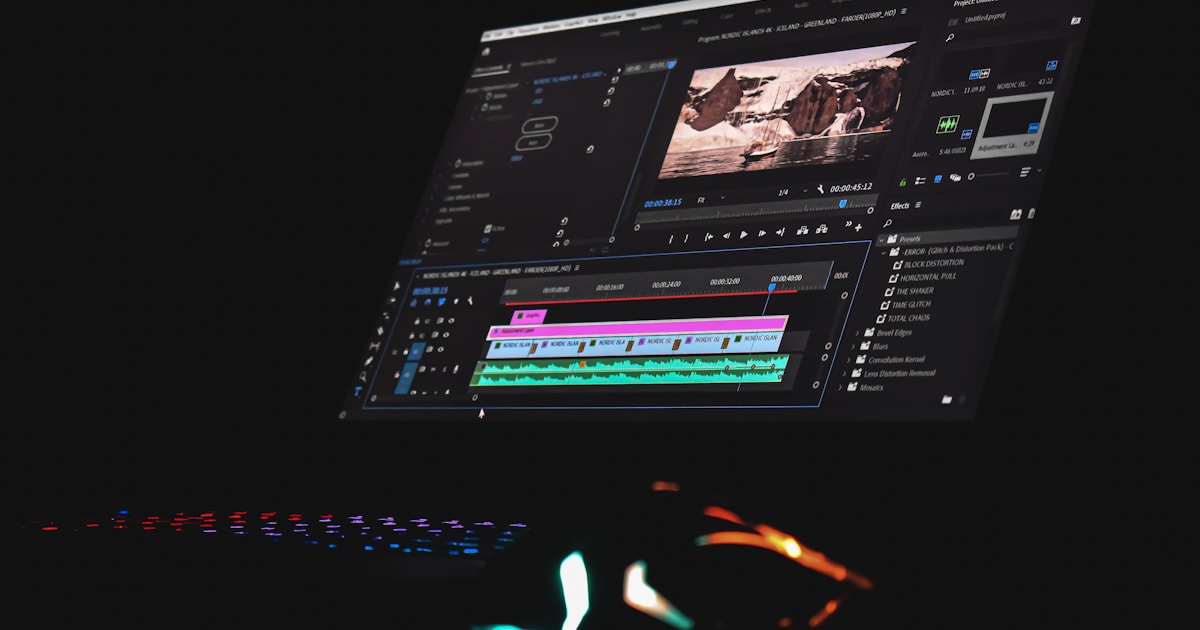
Step 5: Edit in CapCut (6 minutes)
Import your voice-over, then your video clips. Place clips on the timeline, syncing them with the audio. Add automatic subtitles (use CapCut's „Auto captions" feature). Customize the font and color to match your visual identity. Add background music at low volume (CapCut's free library).
Step 6: Export and Publish (2 minutes)
Export in 1080 x 1920 (vertical format), 30 fps, maximum quality. Publish directly from your phone or schedule using a tool like those featured in our article on automating social media posting.
The Mistakes That Kill Your AI Videos (and How to Avoid Them)
Three common mistakes make an AI-created video immediately recognizable and hurt performance.
Mistake 1: Voice-Over Sounds Too Robotic
Low-end AI voices have monotone delivery and flat intonation. Solution: use ElevenLabs or Play.ht (premium voices), slightly increase speed (1.05x to 1.15x), and add manual pauses in your script with periods or commas.
Mistake 2: Generic or Incoherent Visuals
Stringing together random Pexels clips without a thread gives a slideshow feel. Solution: choose a cohesive visual theme (for example, always outdoor shots, or always close-ups of hands). Use smooth transitions (fades rather than harsh cuts).
Mistake 3: Unreadable Subtitles
Font too small, color blends into background, no outline. Solution: sans-serif font (Montserrat, Poppins), minimum 48 pt size, white text with thick black outline or semi-transparent background.
Bonus: avoid scripts that are too long. Beyond 60 seconds, completion rates plummet. If your topic needs more time, split it into a series of 2 or 3 Reels.
Adapting Format for Instagram vs. TikTok
Instagram Reels and TikTok share the short vertical format, but their algorithms and audiences respond differently.
TikTok: Prioritize Pace and Surprise
TikTok's algorithm favors videos that grab attention in the first second. Start with a strong visual or audio hook (shocking question, counterintuitive claim, surprising stat). Change shots every 3 to 4 seconds. Use popular sound effects (TikTok library) rather than neutral background music.
Instagram Reels: Focus on Aesthetics and Value
Instagram's audience expects more polished visual content. Pay attention to color consistency, use smooth transitions. Educational Reels (tutorials, tips, lists) outperform pure entertainment. Add a clear CTA at the end („Save this post," „Share with a friend").
Universal Format: 9:16, 1080 x 1920, 30 fps
Both platforms accept this format. Always export at maximum quality—the algorithm penalizes blurry or pixelated videos.
To dive even deeper into AI video content creation, also discover how to create UGC videos without actors or cameras or how to generate a complete video from plain text.
Conclusion
Creating Reels and TikToks with AI is straightforward: a solid script, natural voice-over, cohesive visuals, and simple editing are all you need. This method lets you post regularly without sacrificing hours every week. Test the workflow on three videos, adjust based on what works, and automate what can be automated. AI doesn't replace creativity—it frees up time for what matters most: finding great ideas and understanding your audience.